

On March 19, Certified Nurses Day honors nurses who have earned professional certification in specialized areas of care. These nurses pursue additional training and examinations to demonstrate advanced knowledge in fields such as emergency care, oncology, pediatrics, and critical care.

For Melanie Gall, DNP, RN, CCRN, clinical assistant professor at the IU School of Nursing in Fort Wayne, the CCRN certification enhances her ability to care for her complex patients.
“Maintaining my certification through continuing education credits keeps me abreast on the latest evidence-based practice for the critical care population,” she said. “The CCRN prepares me with knowledge to better care for patients with advanced cardiovascular diagnoses, ventilator management, and shock states. Applying this knowledge deepens my clinical judgement and critical thinking.”
In addition to her faculty role, Gall has worked at Fort Wayne’s Lutheran Hospital for 21 years. She currently works as a PRN in the Cardiovascular Intensive Care unit and serves as an Extracorporeal Membrane Oxygenation specialist.
More than 138,000 certified acute, progressive, and critical care nurses hold credentials administered by AACN’s Certification Corporation, including the CCRN, PCCN, ACNPC, ACNPC-AG, and CCNS, according to the organization.
The path to certification typically requires clinical experience in a specialty area, preparation through additional study, and passing a nationally recognized certification exam. Maintaining certification also requires ongoing education to ensure nurses stay up to date with the latest evidence-based practices.
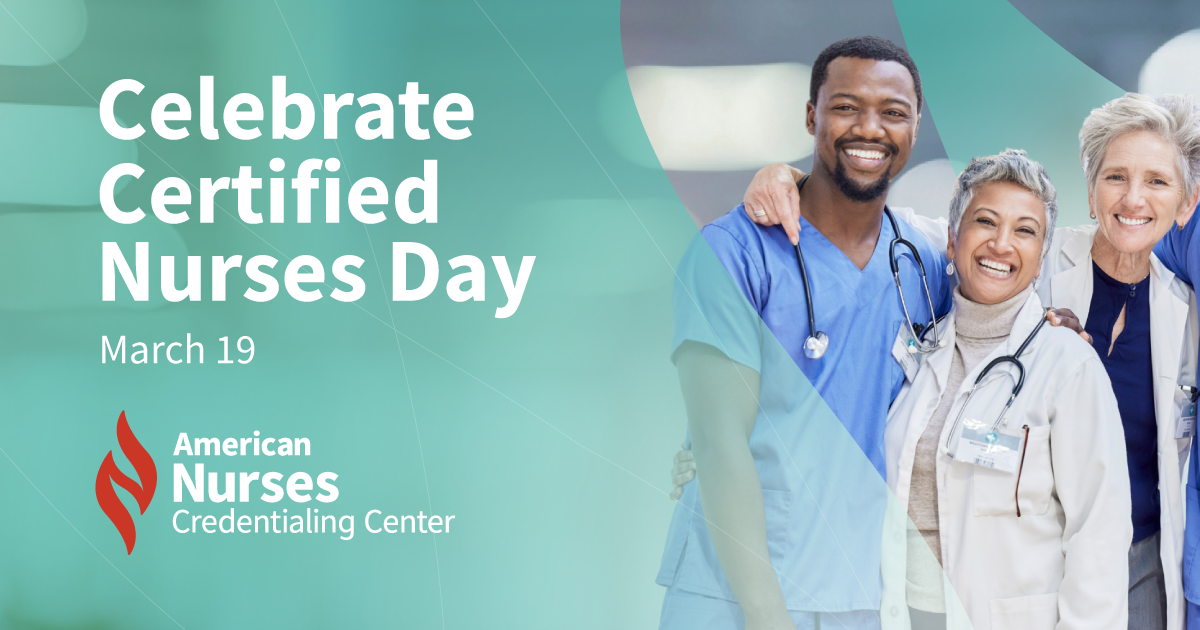
First established by the American Nurses Credentialing Center, Certified Nurses Day honors the birthday of the late Margretta “Gretta” Madden Styles, an international pioneer of nursing certification who designed the first comprehensive study of nurse credentialing.
“Certified Nurses Day is important as it recognizes professional excellence and the extra knowledge and dedication to excellent patient care nurses commit to,” Gall said. “Certification also keeps nurses' career long learning as continuing education credits needs to be awarded in order to maintain certification.”