Sexual Assault Nurse Examiner Training

Become a Sexual Assault Nurse Examiner with the IU Health and IU School of Nursing Academic-Practice Partnership for Forensic Nursing

Forensic nursing is a unique specialty that combines the art of nursing with health care science as well as the legal system to help bridge the gap between medicine and law.

Forensic nurses provide comprehensive care to victims of violence, offering detailed medical forensic exams, while placing medical and emotional well-being as the priority. A forensic nurse can be a registered nurse (RN) or an advanced-practice nurse (APN).

There are a variety of subspecialties within forensic nursing, including forensic nurse examiner (FNE), sexual assault nurse examiner (SANE) for adolescent/adult or pediatric patients. There is also forensic nurse death investigator (NDI) or nurse coroner, forensic psychiatric nurse, forensic clinical nurse specialist, legal nurse consultant, forensic gerontology specialist, and correctional nurse, SWAT team nursing and more.

The IU Health and IU School of Nursing Academic-Practice Partnership for Forensic Nursing Training, Practice, and Retention is a grant-funded program, awarded by the Health Resources and Services Administration (HRSA). These training opportunities are funded by HRSA Grant #T96HP53171.

The IU Academic-Practice Partnership for Forensic Nursing provides multiple training opportunities

  • 40+ hours of didactic forensic SANE training
  • a two-day forensic SANE simulation training
  • an up to 60-hour clinical preceptorship
  • a variety of evidence-based continuing education opportunities to enable forensic SANE-trained nurses to maintain and advance skills and competencies
  • peer support and sharing of best practices through networking and mentorship

Learn more about becoming a Sexual Assault Nurse Examiner (SANE)

SANE is an acronym for Sexual Assault Nurse Examiner. SANEs are trained to provide care to patients through a medical forensic exam. The Sexual Assault Nurse Examiner role is one of the many roles of a forensic nurse.

SANEs provide medical forensic exams, including a comprehensive medical forensic history, and implement a post-sexual assault plan of care and continuity of care.

SANEs may also be called to serve as a fact or expert witness by the legal system. These healthcare providers must understand the legal and medical implications of their care.

The medical forensic exam, or Sexual Assault Nurse Examiner (SANE) exam, is a comprehensive head-to-toe exam performed by a registered nurse to preserve evidence of a sexual assault.

The examination includes gathering information from the patient for the medical forensic history; a physical exam; coordinating treatment of injuries, documentation of biological and physical findings, and collection of evidence from the patient. The exam also includes documentation of findings; information, treatment, and referrals for STIs, pregnancy, suicidal ideation, alcohol and substance abuse, as well as non-acute medical concerns. Follow-up is also important to provide additional healing and treatment.

  • Minimum of two years in clinical practice as a registered nurse
  • Each registered nurse must have a National Provider Identifier (NPI) number (Please read the instructions at the link carefully as it is a two-step process.)
  • Completion of the application process, which includes two letters of recommendation
  • Completion of an interview
  • Signed class policy agreement

Depending upon your interest or where you work, you may choose to participate in:

  • Adult/Adolescent didactic and clinical courses, which are for the care of Adult and Adolescent patients ages 14 or older
OR

  • Pediatric didactic and clinical courses, which are for the care of pre-pubescent children

Please note: Adult/Adolescent and Pediatric courses are not the same as each course prepares the attendee for the unique needs and care of the different age groups, The Adult/Adolescent and Pediatric course also has a separate clinical requirement.

First, you will need to complete an initial 40-hour didactic education component in either Adult/Adolescent or Pediatric BEFORE the clinical education component. (The clinical education component is NOT mandatory.) Scroll down to see our training opportunities and to apply.

Additional training options are available after the didactic education and clinical education components have been successfully completed.

Certifications

Generalist and Advanced Forensic Nurse certifications can be obtained from the Forensic Nursing Certification Board. We are pleased that we can offer these certifications for FREE through the IU Health and IU School of Nursing Academic-Practice Partnership for Forensic Nursing Training, Practice, and Retention grant-funded program, awarded by the Health Resources and Services Administration (HRSA).

Before applying, please meet all the application criteria below:

  1. Practice as a Forensic Nurse: Applicants must be working as a forensic nurse in an established forensic nursing program in Indiana.
  2. Meet Criteria to Test: Applicants need to meet the criteria to sit for the GFN-C or AFN-C Certification set forth by the Forensic Nursing Certification Board. The criteria is listed in the Handbook located on the FNCB website here.
  3. NPI Number: All applicants MUST have a National Provider Identifier (NPI) number.
  4. Agree to Report Testing Date & Results: Each applicant must agree to follow up with the project coordinator once they have scheduled the exam, completed the exam, and received their exam results.

Learn more and apply here

SANE Continuing Education

Tuesday, June 9
Will meet in person from 1 to 5 p.m.
In-person location: IU Health Ruth Lilly Health Education Center, 2055 N. Senate Avenue, Indianapolis, IN 46202

Registration fee: $25

During this half-day training, participants will:

  • Develop a comprehensive understanding of trauma, its impact on individuals, and the core principles of trauma-informed care
  • Learn to evaluate individual and organizational practices through a trauma-informed lens
  • Explore the physiological and psychological effects of trauma on the brain and body, discuss race-based trauma and cultural competence, and identify strategies for incorporating trauma-informed practices in caregiving
  • Learn techniques to balance physical and emotional care in high-stress environments, while addressing compassion fatigue and burnout through trauma-informed care approaches.

Instructor: Calvalyn Day, MsED, TICC

Calvalyn Day, MsED, TICC, has practiced as a school counselor and coach helping individuals achieve personal and professional goals. She has built on her mission to support the mental health and personal development of underrepresented communities by showing up as a nationally published author, coach, speaker, and podcast host. WIth a focus on building clarity, confidence, and work-life harmony, her techniques provide a refreshing blend of loving honestly and practical strategies.

Calvalyn is trained in trauma-focused cognitive behavioral therapy, motivational interviewing, collaborative problem solving and the Structured Analysis Family Evaluation (SAFE) foster family screening tool.

CEs, CLEs, and LETBs available! 

Register for the June 9 training here

This four-day course is co-presented by Alliance for Hope International and the Training Institute on Strangulation Prevention. 

Additional information coming soon!

Wednesday, August 19
Will meet in person or virtually from 9 a.m. to 2:45 p.m.
In-person location: IU Health Ruth Lilly Health Education Center, 2055 N. Senate Avenue, Indianapolis, IN 46202
Virtually: Via Teams

Registration fee: $50
(Lunch provided to in-person attendees)

What happens to evidence after it’s collected—and how does it ultimately impact a case?

Join forensic scientists from the Indiana State Police Laboratory and the Indianapolis–Marion County Forensic Services Agency for Crime Lab 101: From the Scene to the Stand, a practical, behind‑the‑scenes look at how biological evidence is processed from collection to results.

Participants will gain a clearer understanding of laboratory workflows, evidence handling requirements, and more. This fast‑paced session will also cover serology and DNA testing, evidence collection and integrity, sexual assault kit manufacturing and distribution, and emerging tools like Forensic Investigative Genetic Genealogy (FIGG).

Designed for forensic nurses, prosecutors, law enforcement officers, crime scene technicians, and allied forensic and victim service professionals in Indiana, but open to all.

Featured speakers:

  • Alaina Kreger, forensic scientist/DNA analyst, Indianapolis-Marion County Forensic Services Agency
  • Kimberly Marshall, forensic biologist, Indiana State Police Laboratory

Register for Crime Lab 101 here

Join us to learn more about the best practices from investigation to adjudication. Explore the anatomy of a criminal case, learn more about testimony and the medical perspective, experience testifying demonstrations and testimony exercises, and more.

Additional information coming soon!

This three-part webinar series is presented by Jim Hopper, PhD, and End Violence Against Women International (EVAWI). 

  • Neurobiology of Sexual Assault - Part 1: Experience and Behavior
    Duration: 90 minutes
  • Neurobiology of Sexual Assault - Part 2: Experience and Memory
    Duration: 90 minutes
  • "Fight, Flight, Freeze" to "Survival Mode" and Reflexes and Habits"
    Duration: 75 minutes

Topics and objectives include understanding key brain circuitries impacted by fear and trauma, recognizing common brain-based impacts of trauma on attention and memory encoding and storage, understanding interviewing methods most likely to help sexual assault victims recall and report the most complete and accurate memories possible, recognizing why "fight or flight" and its variants are harmful to many survivors of sexual assault, and more.

Once the series is completed, participants may be awarded up to 4.25 CEs through the Center of Continuing Professional Development at IU Health.

Application Process:

Practicing forensic nurses in an established forensic nursing program in Indiana may apply for a scholarship at the link below to access the EVAWI series at no cost. Applicants must agree to complete all three parts of the webinar and send the certificates of completion to the project coordinator.

All scholarships have been claimed at this time. Please check back for additional scholarship opportunities.

Additional Services

It can be challenging to maintain clinical competencies for forensic nursing programs in rural communities. Utilizing training mannequins and skills rubrics aligned with national standards of practice, a certified forensic nurse will travel to hospitals throughout Indiana to perform competency assessments and provide up-to-date evidence-based education to SANE teams. 

Email Darienne Kreeger to learn more and schedule an IN-Service.

We know that building and maintaining a forensic nursing program can be daunting, but we're here to help. Contact Darienne Kreeger to schedule a time to discuss first steps, next steps, challenges, and staffing models with one of our experienced forensic nursing program leaders.

Meet the IU Academic-Practice Partnership for Forensic Nursing Team

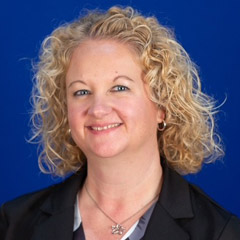
Barbra Bachmeier

Barbra Bachmeier

JD, MPH, MSN, APRN, NP-C, CPH, DF-AFN, FAEN
Project Director
IU Health

Email Barbra
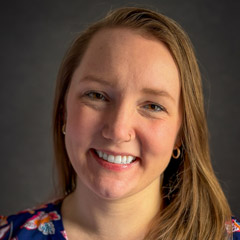
Natalie Calow
Natalie Calow

MSN, RN, CEN, AFN-C
Center of Hope Forensics Coordinator
IU Health

Email Natalie
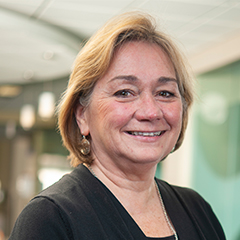
Darienne Kreeger
Darienne Kreeger

BSN, RN, GFN-C
SANE Project Coordinator
IU Health

Email Darienne
Paula Reiss
Paula Reiss

MSN, RN, FAEN
Certified Health and Wellbeing Coach
IU School of Nursing faculty

Email Paula
No photo available.
Molly Bauer

PhD, RN, CEN, TCRN
Principal Investigator
IU School of Nursing faculty

Email Molly

Still Have Questions?

Contact the Office of Professional Development and Lifelong Learning at the Indiana University School of Nursing at cenurse@iu.edu.

Virtual Practicum

Current Forensic Nursing Job Openings

All current job openings have been submitted. Any inquiries about these job openings should be directed to the individual organizations.

This website is supported by the HRSA of the U.S. Department of Health and Human Services (HHS) as part of Grant #T96HP53171. The contents are those of the author(s) and do not necessarily represent the official views of, nor an endorsement, by HRSA, HHS, or the U.S. Government. For more information, please visit HRSA.gov.