National Nurse Practitioner Week, November 8-14, recognizes the essential care nurse practitioners provide across specialties. NPs diagnose and treat patients, prescribe medications, and lead healthcare teams, often supporting people through their most vulnerable moments.
According to the American Association of Nurse Practitioners, 461,000 licensed NPs in the United States deliver comprehensive and compassionate care in almost 1 billion patient visits each year. These advanced practice providers can be found in clinics, hospitals, emergency rooms, urgent care centers, nursing homes, and private practices.
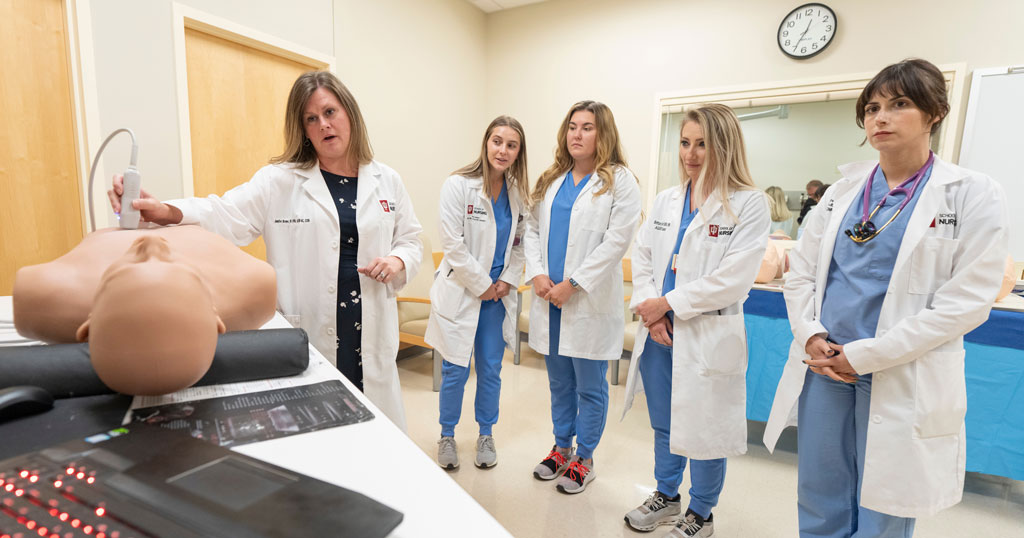
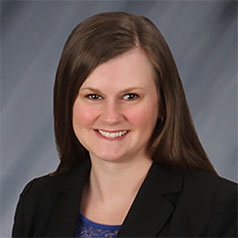
Jennifer Brower, DNP, is a clinical assistant professor at the Indiana University School of Nursing and coordinator of the MSN and DNP Adult Gerontology Acute Care NP Track. After years as an Acute Care NP, she now brings that clinical experience to develop lessons and simulation activities that prepare the next generation of NPs.
Vital Signs spoke with Brower about how her background shapes her approach to teaching, how the NP role has evolved, and what she wishes more people knew about the profession.
Vital Signs: What inspired you to become a NP?
Jennifer Brower: I wanted to do more for the patients and families I served. Working in cardiac intensive care as a registered nurse, I often cared for patients during some of the most vulnerable moments of their lives. The ability to assess complex situations, make clinical decisions, and build meaningful relationships with patients motivated me to pursue advanced practice nursing. Becoming an NP gave me the opportunity to expand my impact, through patient care, teaching, mentorship, and improving healthcare outcomes.
VS: How have your experiences caring for patients shaped the way you teach the next generation?
Brower: My clinical experiences shape nearly every aspect of my teaching. Practicing in multiple high-acuity settings taught me that being an effective nurse practitioner requires much more than clinical knowledge. It requires critical thinking, sound judgment, effective communication, and the ability to lead and collaborate in complex situations.
As an educator, I focus on helping students learn how to think, not just what to know. I draw on my experiences as a nurse practitioner in developing case-based learning and simulation activities, creating opportunities for students to develop the clinical reasoning and decision-making skills they'll need in practice.
Equally important, caring for patients and families during some of life's most vulnerable moments reinforced the importance of compassion and patient-centered care. My goal is to prepare nurse practitioners who are not only clinically competent and confident, but who also lead with empathy, professionalism, and a commitment to lifelong learning. Those are the qualities that matter most in my practice, and they are the qualities I hope to instill in every student I teach.
VS: How have you seen the NP profession change over the course of your career?
Brower: I've seen tremendous growth in the nurse practitioner profession throughout my career. In fact, there are now more than four times as many practicing nurse practitioners as there were when I began my career. During that same time, healthcare has become increasingly complex, and the role of the nurse practitioner has evolved alongside it.
Today, nurse practitioners are widely recognized as essential members of the healthcare team, providing high-quality, evidence-based care across a variety of settings and patient populations. As an educator, one of the most exciting changes I've witnessed is the growing emphasis on preparing nurse practitioners to be adaptable, lifelong learners. While the profession continues to evolve, what has remained constant is our commitment to holistic, patient-centered care. I believe that foundation is one of our greatest strengths and will continue to guide future generations of nurse practitioners.
VS: During National Nurse Practitioner Week, what do you wish more people understood about the role NPs play in today’s healthcare system?
Brower: I wish more people understood the breadth and impact of what nurse practitioners contribute. While many patients may first encounter a nurse practitioner during a clinic visit or hospitalization, NPs are much more than healthcare providers filling gaps in access. We are highly educated clinicians who diagnose, treat, prescribe, lead healthcare teams, improve quality of care, and help shape the future of healthcare through education, research, and innovation.
Throughout my career, I've seen nurse practitioners make a difference in every corner of the healthcare system, from primary care and acute care to specialty practice, leadership, and academia. I've also seen how nurse practitioners help address some of healthcare's greatest challenges, including access to care, workforce shortages, and increasingly complex patient needs. The profession continues to grow and evolve, but what remains constant is our commitment to providing compassionate, evidence-based, patient-centered care.