

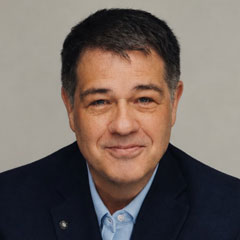
 Eligible to Direct Dissertations
Contact Information


Education
PhD, Indiana University
MSN, Indiana University
BSN, Indiana University
Research Areas
Prevention & Health Promotion
Global Health
Health Inequities
Global Health
Advocacy
Health Equity
Voice of Nursing
Health Systems
Decision-making / Outcomes Management
Biography
Dr. Gregory A. Carter is Associate Dean of the Indiana University School of Nursing in Bloomington and an Associate Professor of Nursing. In this role, he provides leadership for academic programs, faculty and staff development, clinical partnerships, and initiatives to strengthen nursing education and workforce preparation. Before his appointment as associate dean, Dr. Carter served as Assistant Dean for Research for the IU School of Nursing.
Dr. Carter’s research focuses on reducing health inequities and improving access to evidence-based care, particularly among rural and underserved populations. His scholarship addresses harm reduction, HIV prevention, substance use disorders, and barriers to addiction treatment. Through interdisciplinary and community-engaged research, he examines how clinicians and health systems can improve the delivery of care to people who often experience stigma or limited access to health services. His work has received support from the National Institutes of Health and other funding organizations, and he serves as a co-investigator on a federally funded study focused on expanding access to methadone treatment.
In addition to his research, Dr. Carter is committed to nursing education, mentorship, and academic leadership. He has received the Indiana University Trustees Teaching Award and the Dr. James E. Mumford Excellence in Extraordinary Teaching Award. He also serves as co-director of the Rural Center for AIDS and STD Prevention and is an affiliate faculty researcher with the Kinsey Institute. In 2026, he was named to the American Academy of Nursing’s Class of Fellows.
Publications
Description of the video:
My name is Greg Carter. I'm an associate professor and assistant dean of research at Indiana University School of Nursing. I started finding an interest in research, frankly, when I was little. Um, we weren't allowed to watch a lot of TV, but I could read as many books as I wanted. So, we would go to the library, and I was interested in learning about, you know, aquariums and all those things that kids are interested in. As I started getting in young adulthood, that was kind of, you know, in the midst, I would guess of the initial HIV crisis. I saw my friends dying. I saw many different factors like stigma and all these other things attached to it. It really highlighted the need for research and connection, and I think that, you know, that's really how it all started forming for me. You know, there are multiple projects that we've worked on that I'm very proud of, and when I look back at those, it's really the ones that have involved community partners. We're working on some really interesting projects with my collaborators from the University of Arizona School of Medicine. And, we're looking to improve the uptake of methadone for individuals living with substance use disorder, and we're doing that from the patient and the provider standpoint, working in parallel and then merging the groups. Uh, we've already developed continuing education that we're going to roll out nationally to help improve access to care and the quality of care. We're collaborating with Indiana University and the University of Arizona, where we're we use individuals that are living with substance use disorder as part of our research team, and what we've found is not only do they bring a deep understanding of the topic. They also develop a sense of self-efficacy throughout the process. And some of the work that we've done with our research assistants and partners, they've gone on to finish their high school education, get their GEDs, and even complete their Master's in social work. One of the things that I believe that you can get at Indiana University School of Nursing concerning research is interdisciplinary teams with a diverse approach to methodologies and application. What we've seen collaborating with people from Public Health, School of Medicine, and Social Work and other spaces is that they're partnering with the School of Nursing because we have that diverse set of methodologies, and we have a very broad understanding of patient care.